Quantum interconnects and modular computing
Modular architectures with atoms in tweezers
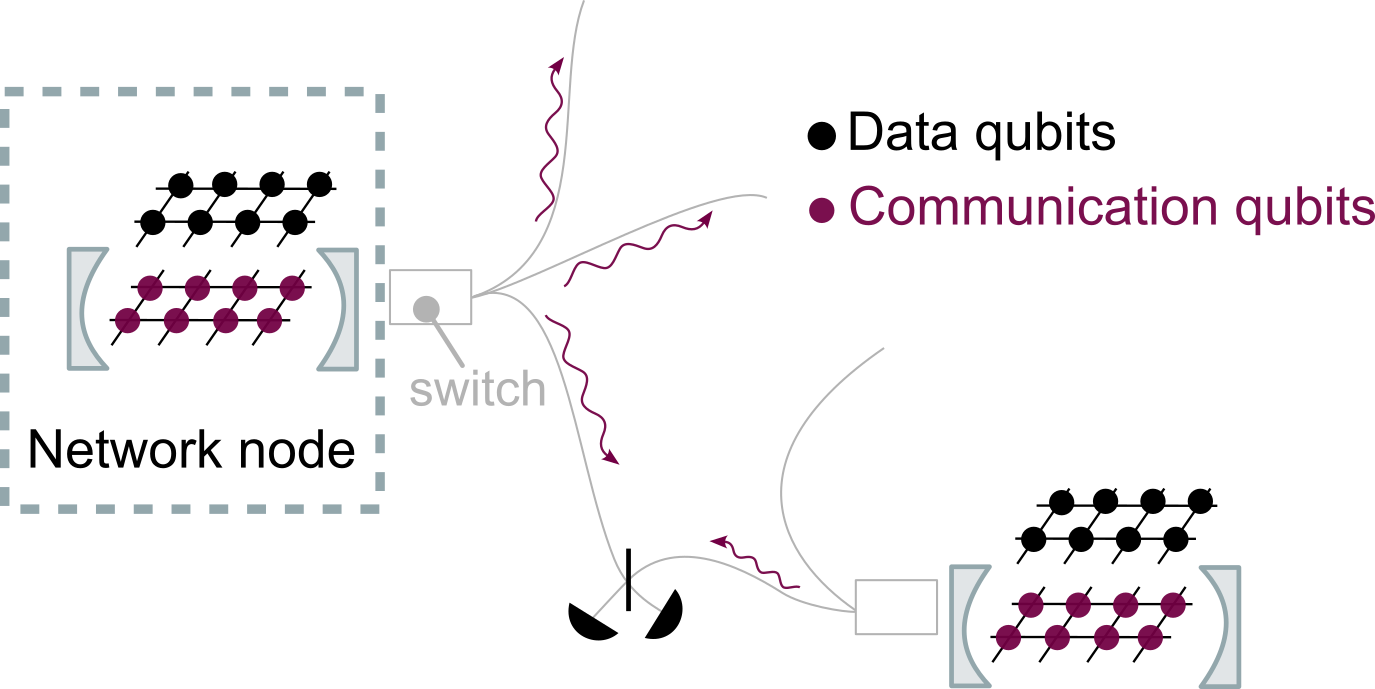
Quantum networks leverage the principles of quantum mechanics to enable secure and efficient data transmission.
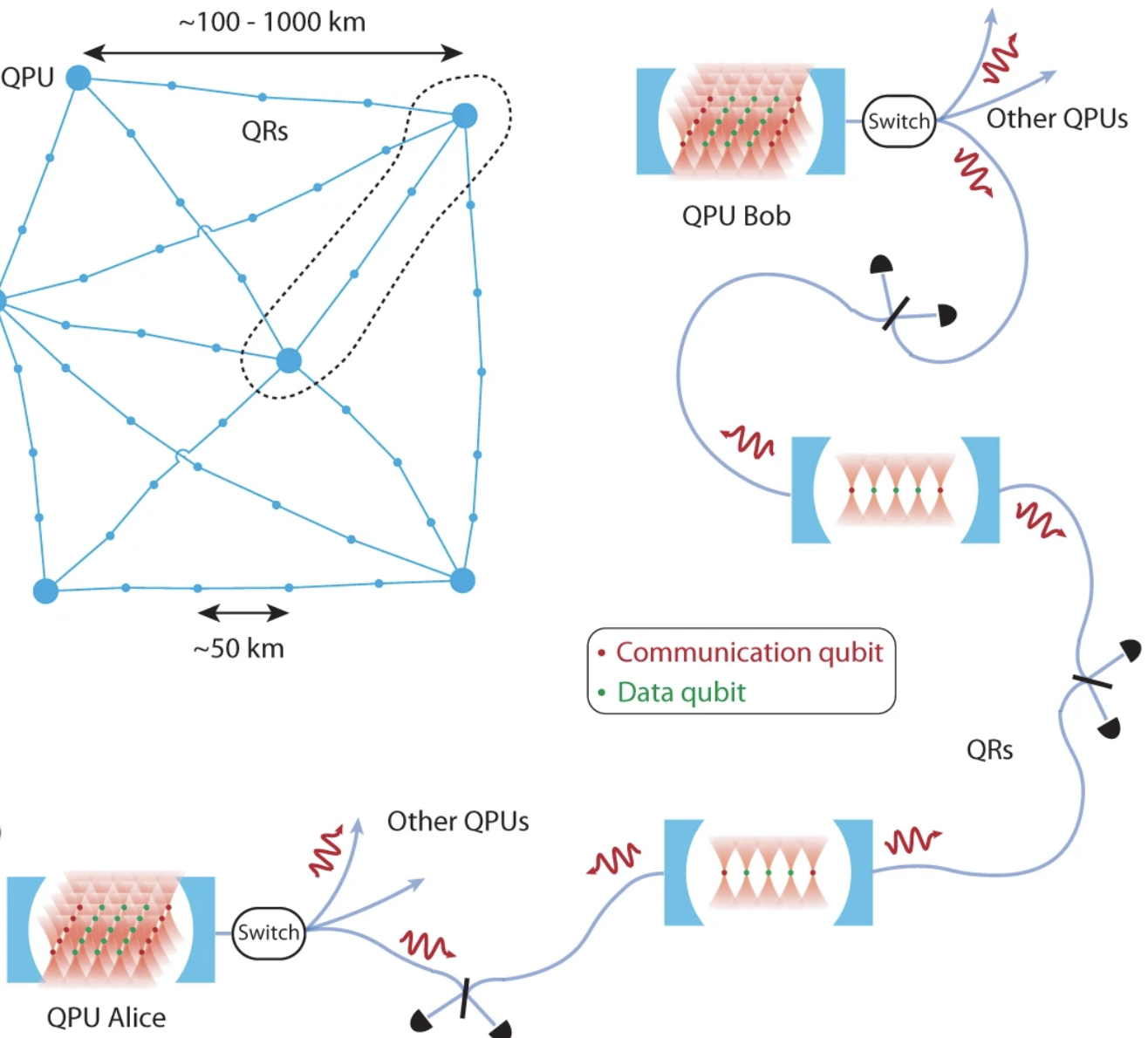
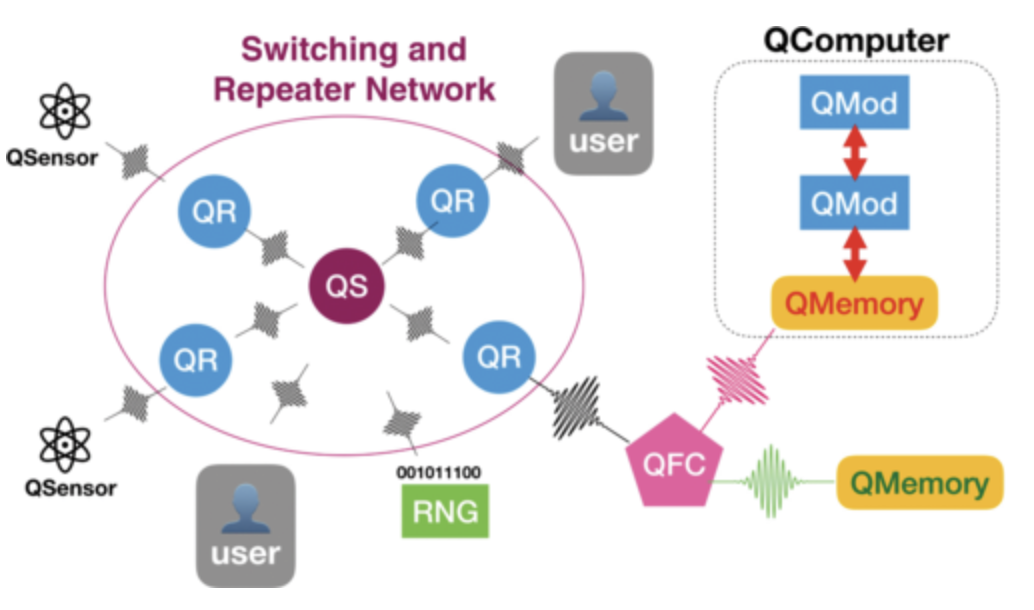
Unlike classical networks, which rely on conventional methods of data transfer, quantum networks utilize phenomena such as entanglement and superposition for the connection of geographically dispersed users and the sharing of qubits with inherent security features. The successful realization of quantum networks not only facilitates secure communication between nodes but also opens avenues for modular quantum computation, enhancing scalability and increasing computational power. This modular approach allows multiple quantum processors to work together, effectively expanding the computational resources available for complex tasks. Quantum interconnects are a key element of modular systems and all conceivable future quantum information processing architectures.
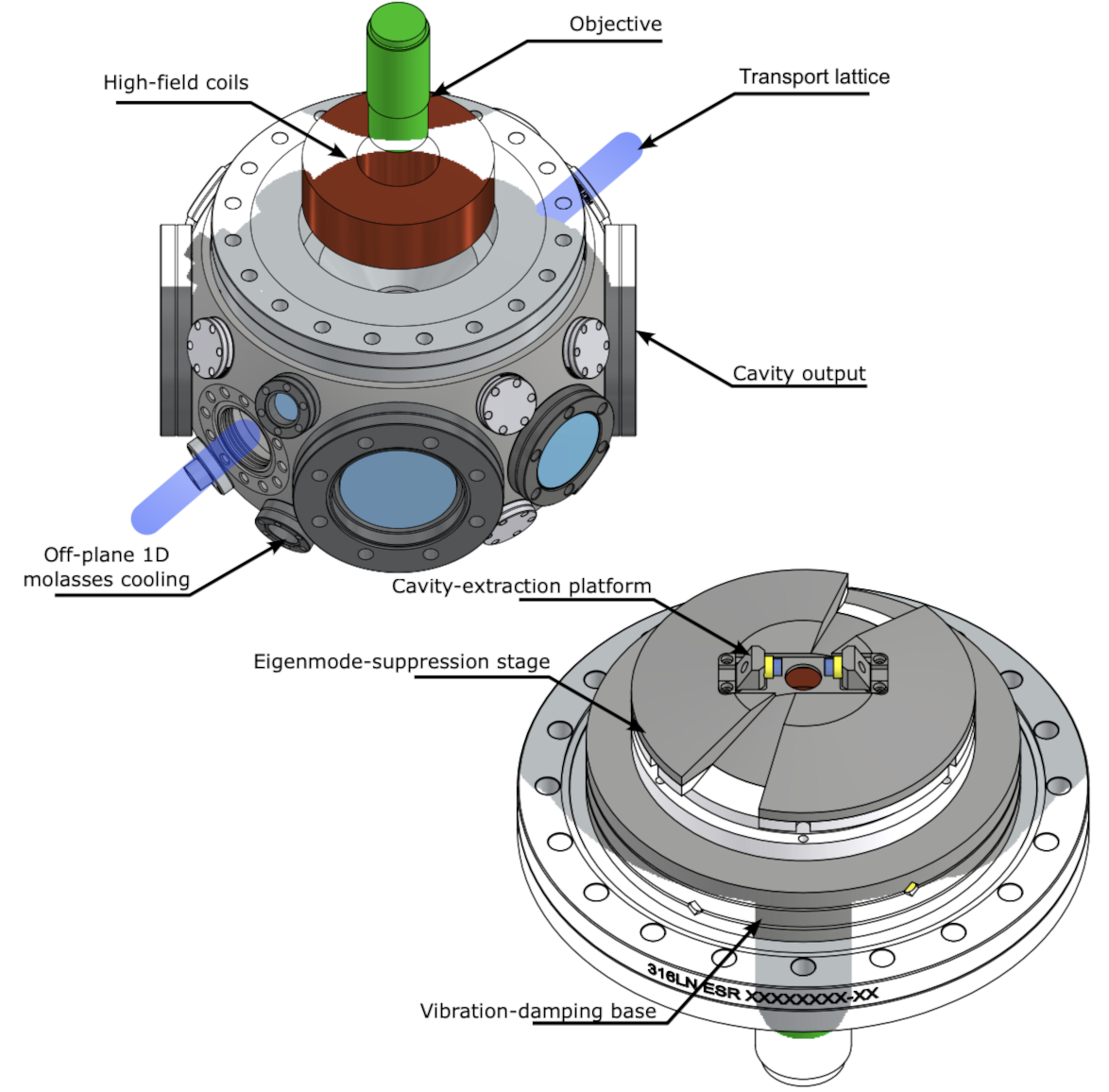
This setup exploits neutral atoms trapped in optical tweezers, that uniquely combine key features required for quantum networks: atom-cavity interface, long-lived quantum memories, multi-qubit processing capabilities, and scalability to thousands of qubits.
Despite tremendous progress, all existing neutral atoms platforms still lack one or more essential features needed for a fully functional network node: uninterrupted operations, independent memory and information processing zone from the quantum interconnect, high-rate atom-photon entanglement compatible with typical qubit manipulation timescales.
Relevant readings
Quantum networks with
neutral atom processing nodes
Read More
Development of Quantum Interconnects (QuICs) for Next-Generation Information Technologies
Read More
Large-scale modular quantum-computer architecture with atomic memory and photonic interconnects
Read More